
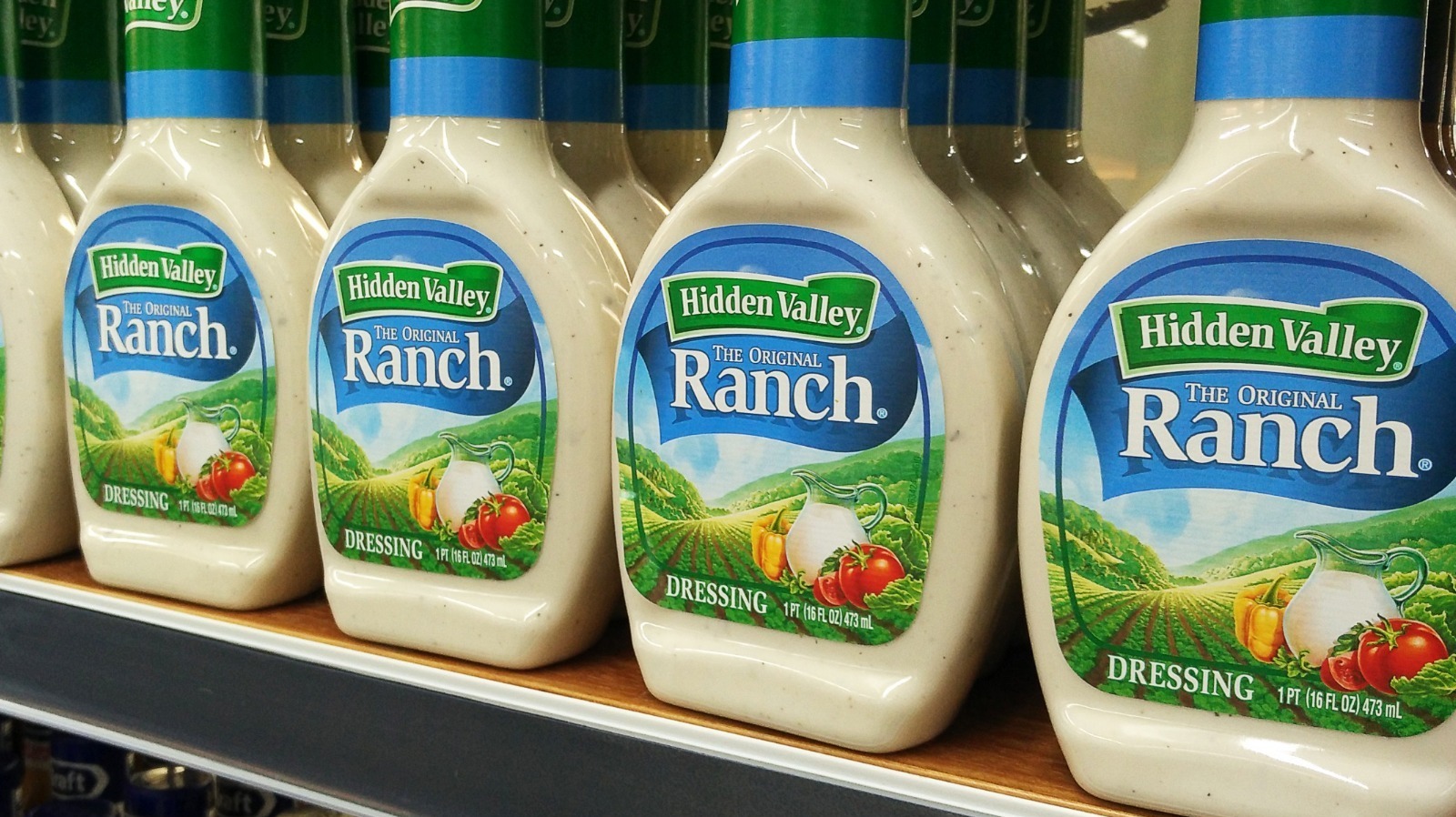
For weeks, America has hosted one of the biggest sports events in the world. Soccer/football-obsessed fans from 48 countries visited Atlanta, Boston, Dallas, Houston, Kansas City, Los Angeles, Miami, New York City, Philadelphia, and San Francisco. And many of those fans thought they knew America, even though it was their first time visiting. But then reality hit them like an over-air-conditioned Buc-ee's: 50 different versions of Jerky, 33 flavors of ice cream, dozens of brands and flavors of iced tea, free chips and salsa, and free refills of bucket-sized soda. And don’t forget about ranch dressing.
Many of our guests arrived assuming America lacks a food culture because we borrow from everyone else's. But that is precisely the point. American cuisine isn't a museum preserving a single tradition. It's a conversation—sometimes a very loud conversation—spoken in languages from all over the world.
In America, you will find a Vietnamese restaurant next to a barbecue joint, an Ethiopian coffee shop sharing a shopping center with an Italian restaurant, a Korean bakery next to a French one, and an Indian buffet occupying a former Pizza Hut. That's not culinary confusion. That's culinary confidence.
It takes a remarkably confident country to believe that another culture's best idea (or even worst idea, for that matter) belongs on someone’s dinner table. We don't absorb cuisines because we're insecure, but because we’re curious. It was that optimism and a belief, bordering on obsession, that our visitors feasted on.
We build big restaurants because tomorrow might bring more customers. We stock 33 flavors of ice cream because someone may want number 33. We combine cuisines because maybe it'll work. And if it doesn't? We'll try something else next week. There is a generosity hidden inside all of that experimentation. “Tell us what you want.”
There are moments when a country gets to explain itself without saying a word. For the U.S., that turned out to be the 2026 FIFA World Cup. When they arrived, these fans discovered something different from UFC, The Simpsons, or American Idol. They got the real place—not a cliché. But beneath the oversized drinks and endless aisles lies an optimism bordering on collective cognitive dissonance—room for one more person at the table, one more recipe, one more variation on the taco, one more flavor of ice cream. It's one of the reasons people keep coming here. And when they do, maybe they can leave a new recipe or dish, and they can go home with a bag of siracha-lime ostrich jerky or a three-ounce sample of ranch dressing that passes muster with TSA.

No comments:
Post a Comment